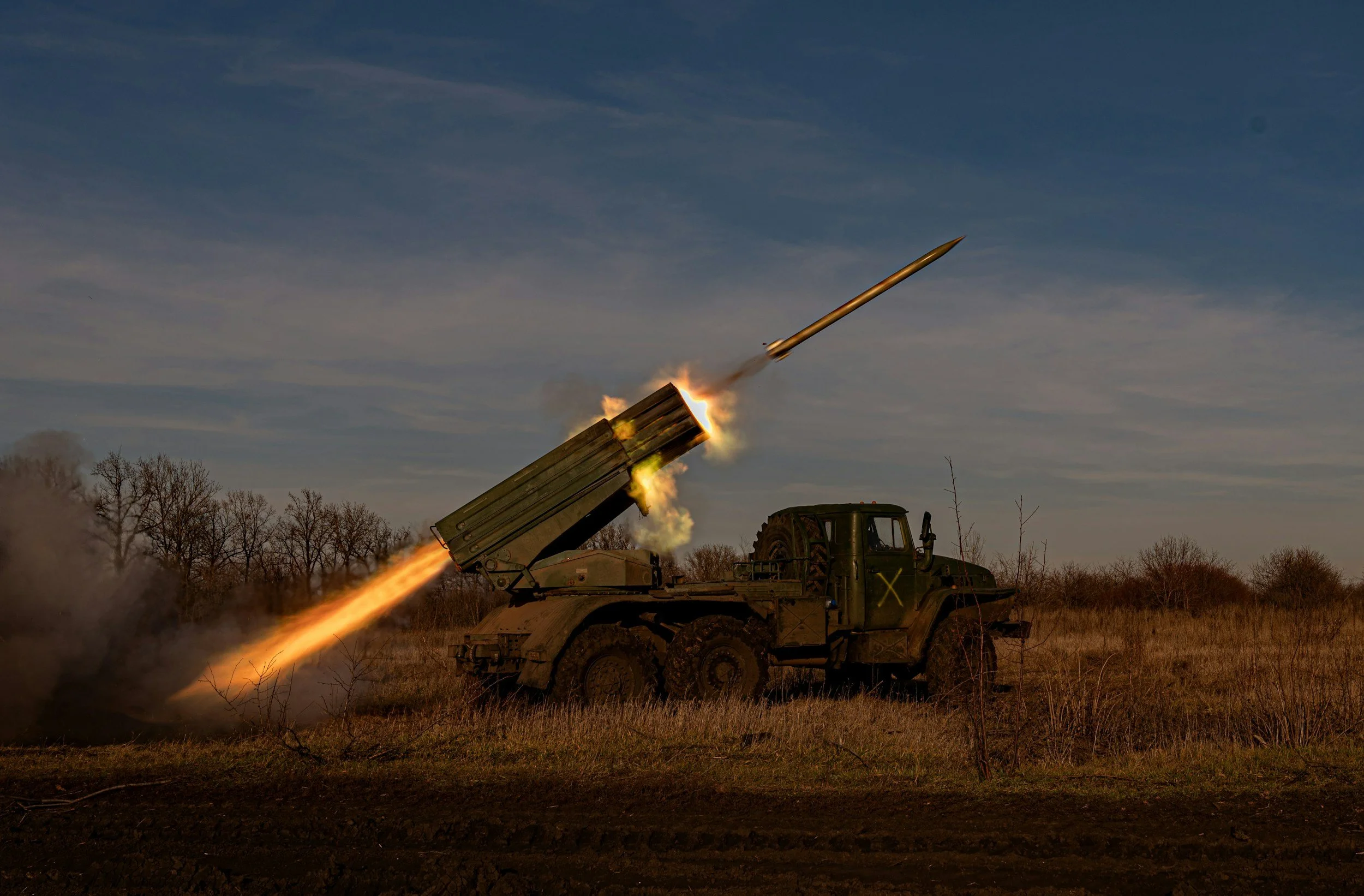
“Smoke Over Kharkiv” – an OSINT thriller
The intelligence room was tense inside the SCIF near Rzeszów, Poland. Satellite maps flickered between live imagery and GIS overlays. Ukraine’s front line stretched from the Sumy‑Chernihiv axis in the north, down through Kharkiv, across Donetsk and Luhansk, all the way to Zaporizhzhia and Tokmak, Melitopol near Crimea.
Captain Mariana Kozlova studied the SIGINT-dashboard. “Encrypted chatter intense. Source: north of Kupiansk. Mentions of ‘Kharkiv push’ and ‘Artemovsk bridgehead prep.’”
Drone feeds confirmed it: a battalion of tracked vehicles in Belgorod Oblast, just east of Kharkiv Oblast, near the Siverskyi Donets River. Tanks nestled under camo nets, heat signatures consistent with armored platforms.
Something was up.
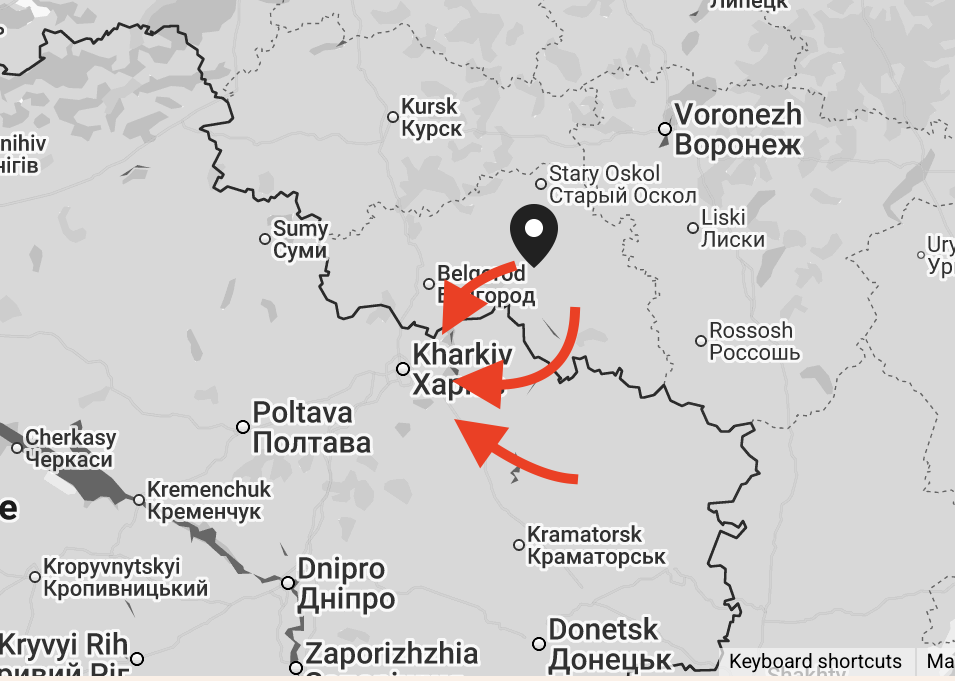
Battlefield intelligence units now alerted. Kiev headquarters, too. Something was up. No panic, of course. The Ukrainian army is tried and tested.
Ukrainian land forces were however on heightened alert, awaiting further orders and confirmation of the sudden movement in the Belgorod Oblast.
Then it happened: Orders came down to one of the major Ukrainian battalions in the area to reinforce Kharkiv immediately. Additionally, the 5th Mechanised Brigade in Dnipro was also ordered to assume combat readiness and prepare to deploy north within hours.
But something in Mariana’s gut felt wrong. The SAT imagery showed vehicles with exactly the same outer shape—little organic variation, suspicious alignment, and at places cold overshadows, suggesting inflation. SAT imagery was flaky due to partly cloudy conditions, but in certain clear patches, the IR overlay revealed inconsistent heat patterns. Suspicious.
Now reinforced in her disbelief, Mariana decided to flag in her dashboard certain units as “probable decoys”: inflatable dummy tanks built to deceive drone and satellite reconnaissance.
Meanwhile, at 02:00, a real, major force was mobilising quietly in Horlivka, 15 kilometer east of the front line, not far from Donetsk. Under blackout conditions, columns of genuine armored units slipped in a direction north-west, toward Ukrainian stronghold Kramatorsk. Communications remained mostly silent in the area.

It got weirder:
A popular pro‑Russian Telegram channel published “live footage” of Russian VDV forces boarding trains on the Russian side north of Kharkiv, ready to deploy.
A “leaked” railway schedule circulated online, showing armored rail echelons bound for a range of Kharkiv Oblast staging points.
A captured audio “intercept” played over state TV hinting at “Phase Blue in Kharkiv sector next week.”
Mariana traced video frame‑by‑frame. None of the footage showed befitting identifiers or patches. Even elements like railcar numbers and soldier callsigns traced back to units destroyed months ago near Bakhmut.
OSINT confirmed Marianas suspicion: Patches and uniform characteristics were a 100% match with footage from an earlier skirmish in Bakhmut.
A situation most urgent
Things were moving fast, now. At 04:00, subtle SIGINT picked up faint pulses near Sloviansk-Kramatorsk: a call-sign pattern tied to the 55th Combined Arms Army. Fast flying UAVs were deployed from Ukrainian bases hidden in the woods. And within mere minutes, those UAVs were able to track real movements toward exactly Sloviansk-Kramatorsk – just east of it.
And this time: consistent heat patterns. IMINT from a convenient Maxar pass at 04:23 confirmed the suspicion: Here, too, the conditions were partly cloudy, but a clear patch in the skies happened to align with large part of the troop movement. Real movement, evidently. 5 kilometer-long convoys underway. Heavy equipment. Organic variation. This was a serious surprise move, until now undetected in its planning stages despite HUMINT assets in the ranks of those exact battalions, which were now westbound. Clearly, someone hadn’t done their job.
Mariana made no hesitation now, and updated command:
“MASKIROVKA CONFIRMED: Entire Kharkiv feint via proxies east of Kupiansk. Heavy advance underway from Horlivka, direction Kramatorsk COUNTER-BATTERY NOW AT COORDINATES.”
Vital artillery and Ukrainian mechanised forces now swiftly redeployed to a range of predetermined fortification strongholds in the area Kramatorsk.
Within mere hours, more Ukrainian contingencies arrived to other rallypoints in the area. When Russian brigades and artillery struck from east of Kramatorsk, they met prepared defenses.
The feint had failed.