
“Inoagenty” – enemies of the Russian state
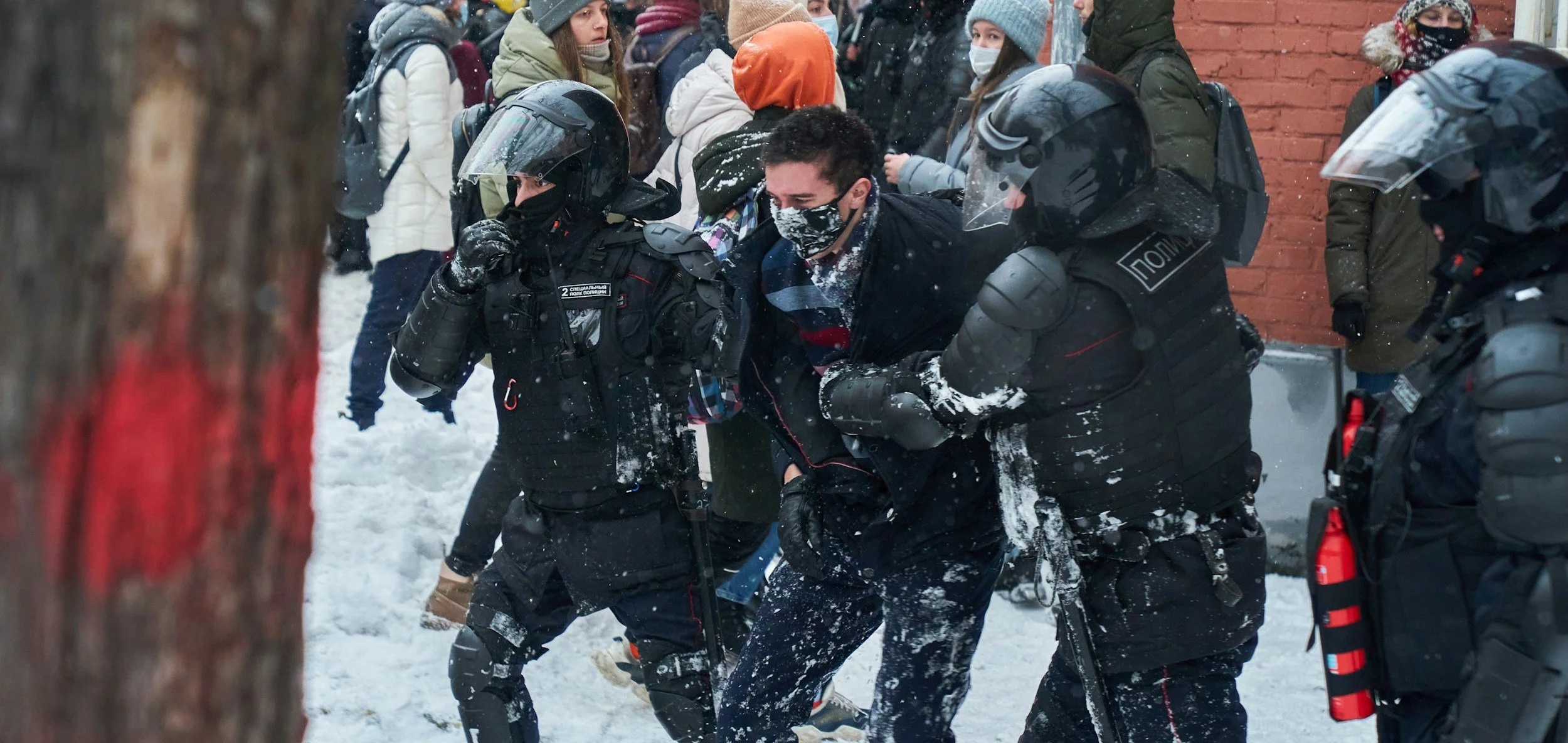
Free democracies rely on the freedom of the press and civil liberties, strong civil societies, access to media and transparency in government.
In Russia, freedom of speech is under pressure from government institutions and a highly selective and controlled media narrative. Some Russian critics and journalists do manage to break walls nonetheless – but they often suffer dire consequences for doing so. Here are some of the more notable cases in recent time.
The term “inoagent“ stems from Russian official communications, meaning inostranny agent, lit. “foreign agent.“ A recent publication from the Moscow Police website states that:
A foreign agent is described as someone “exerting the power of foreign states and by various means attempt to influence the opinion of citizens of Russia”.
Notable Russian Dissidents and Government Critics (1990s-Present)
Political Figures
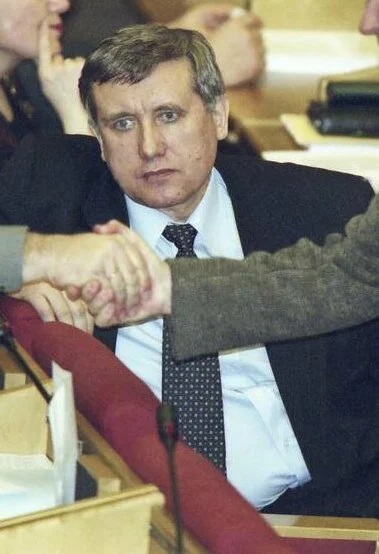
1. Sergei Yushenkov
(1947–2003)
Liberal politician, critic of Putin and the FSB; co-chair of the Liberal Russia party.
Investigated alleged FSB involvement in 1999 apartment bombings. Assassinated in 2003.
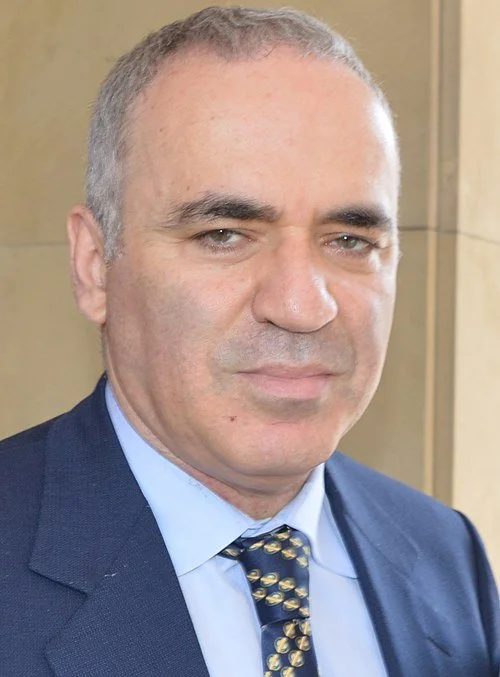
2. Garry Kasparov
(b. 1963)
Former chess world champion turned vocal opposition figure.
Co-founded The Other Russia and Free Russia Forum.
Lives in exile, advocating for democracy and Western sanctions on Putin’s circle.
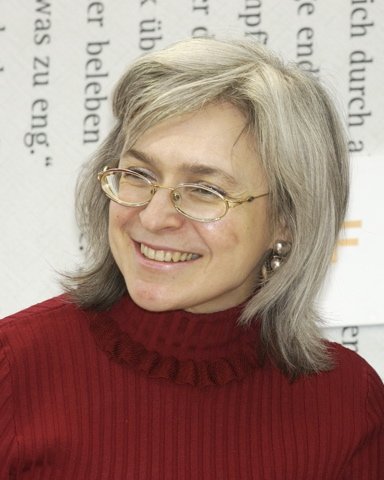
3. Anna Politkovskaya
(1958–2006)
Investigative journalist, known for her reporting on Chechnya and human rights abuses.
Fierce critic of Putin. Assassinated in Moscow in 2006.
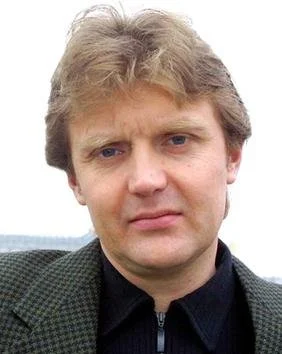
4. Alexander Litvinenko
(1962–2006)
Former FSB agent turned whistleblower and defector.
Exposed corruption and accused Putin of criminal activity. Poisoned with polonium-210 in London.
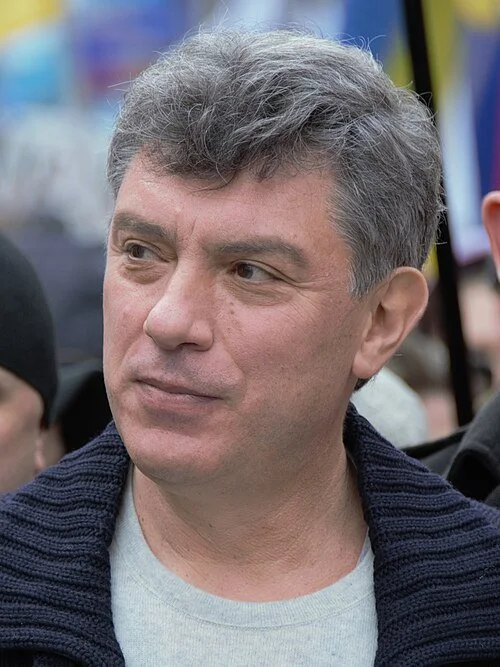
5. Boris Nemtsov
(1959–2015)
Former Deputy Prime Minister, prominent liberal politician, and anti-corruption crusader.
Led major protests and authored reports critical of Putin’s wealth and Ukraine policies.
Assassinated in 2015 near the Kremlin.
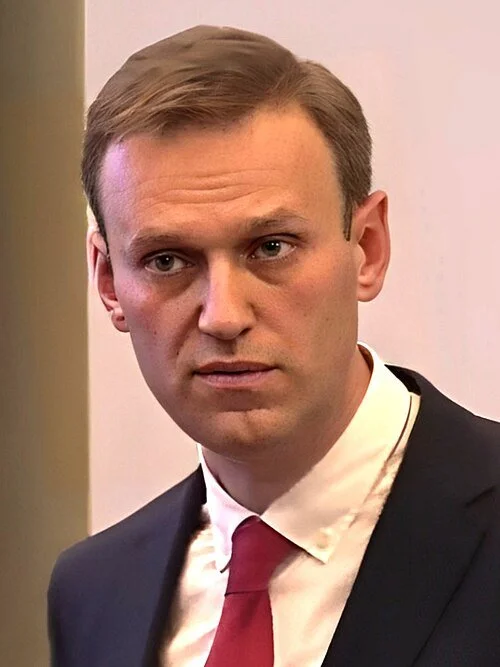
6. Alexei Navalny
(1976–2024)
Russia’s most prominent opposition leader and anti-corruption activist.
Survived poisoning in 2020; was treated in Berlin, returned to Russia and was then imprisoned.
Died in prison under suspicious circumstances in 2024.
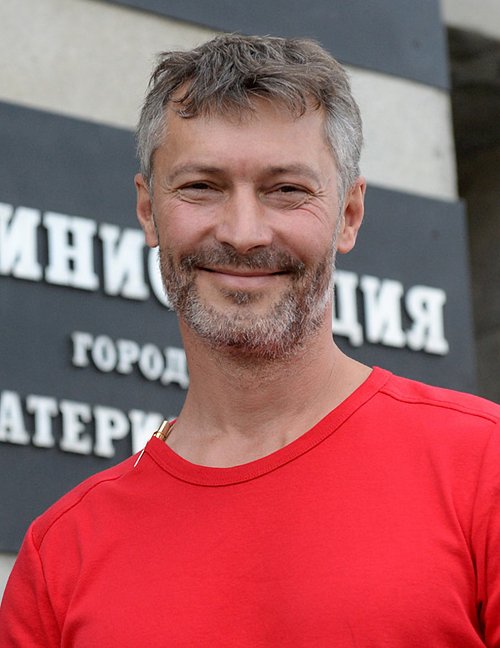
7. Yevgeny Roizman
(b. 1962)
Former mayor of Yekaterinburg, known for his independence and outspokenness.
Arrested multiple times for anti-war positions.
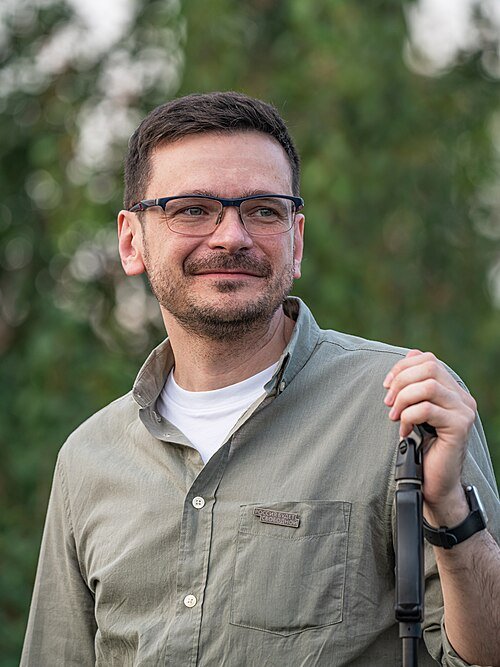
8. Ilya Yashin
(b. 1983)
Opposition politician and longtime ally of Navalny and Nemtsov.
Jailed in 2022 for “spreading fake news” about the military.
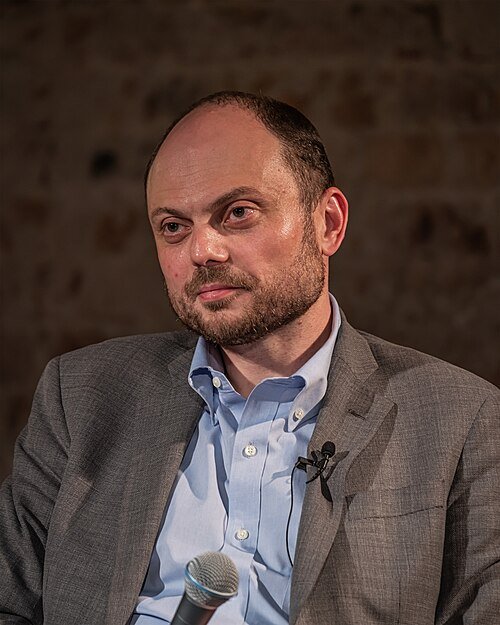
9. Vladimir Kara-Murza
(b. 1981)
Journalist, opposition figure, and democracy advocate.
Survived two poisonings; sentenced in 2023 to 25 years for treason.
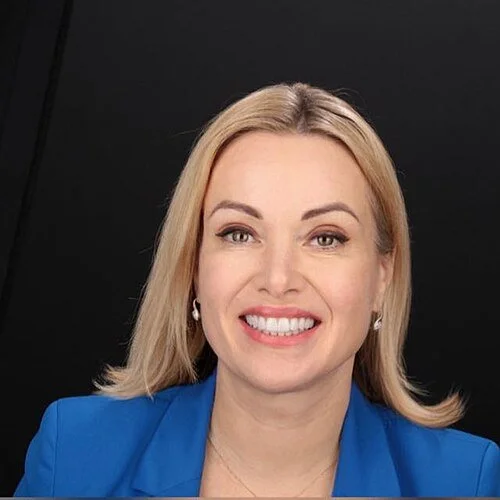
10. Marina Ovsyannikova
(b. 1978)
State TV editor who protested the war on live television in 2022.
Arrested, escaped house arrest, and fled the country.
Writers, Intellectuals and Public Figures

11. Viktor Shenderovich
(b. 1958)
Satirist and political commentator; known for targeting Putin’s regime in media and theater.
Labeled a foreign agent; now in exile.
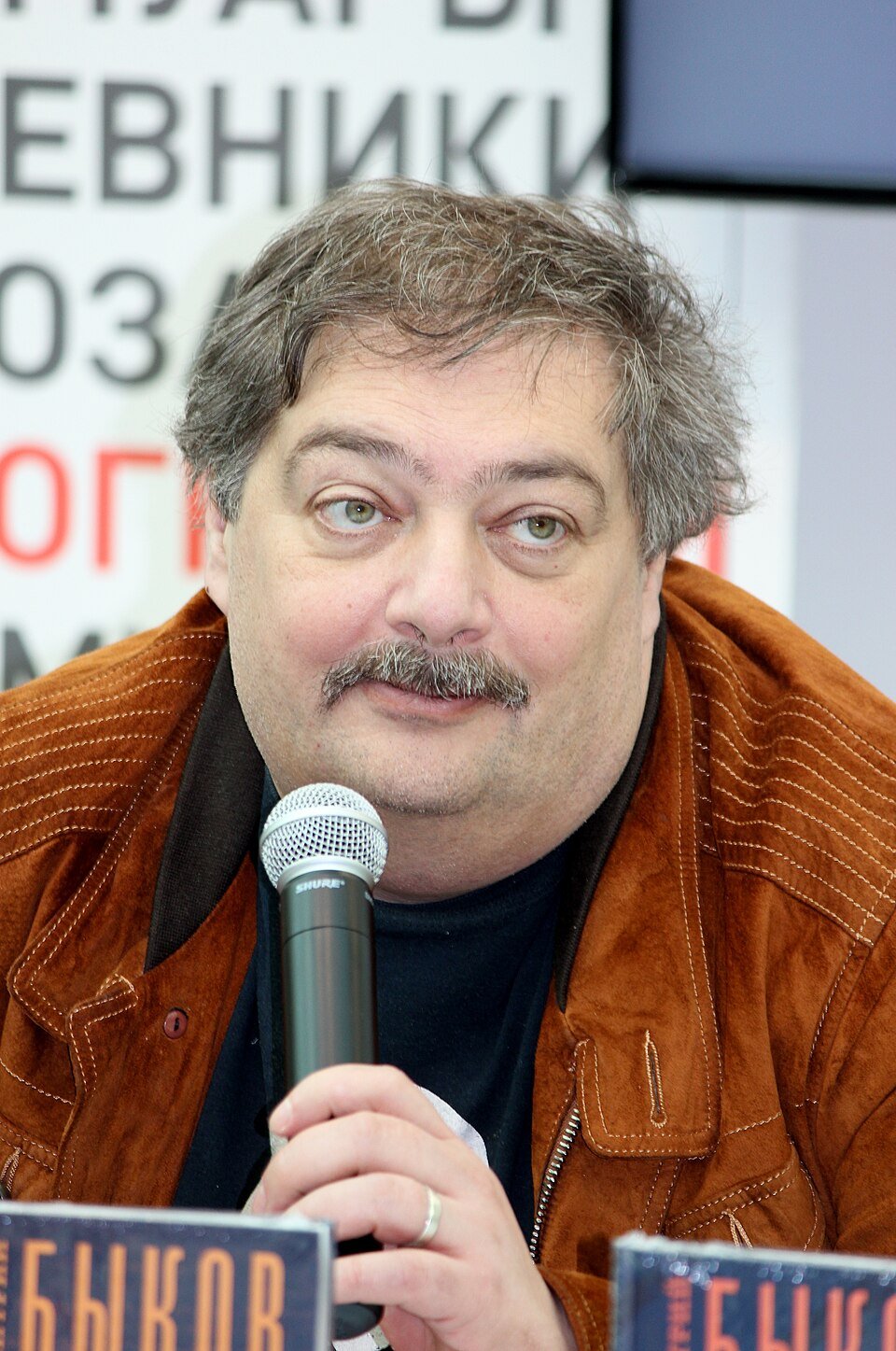
12. Dmitry Bykov
(b. 1967)
Writer, poet, and outspoken critic of the Kremlin.
Survived a suspected poisoning in 2019.

13. Yulia Latynina
(b. 1966)
Journalist and author; long-time critic of state propaganda and authoritarianism.
Attacked with chemicals, fled Russia in 2017.
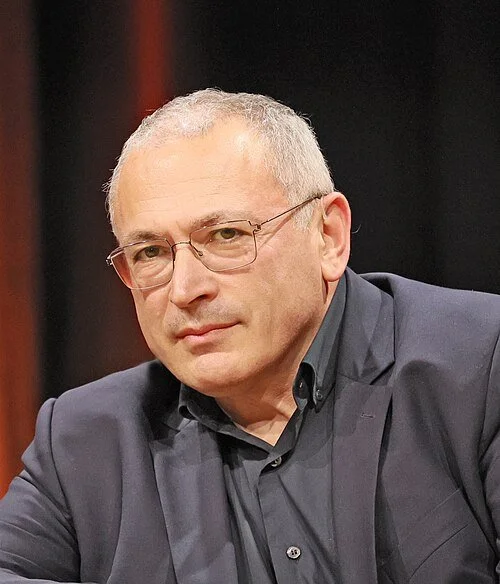
14. Mikhail Khodorkovsky
(b. 1963)
Former oil tycoon and head of Yukos; jailed for 10 years on politically motivated charges.
Now a major exiled opposition funder and critic of Putin.
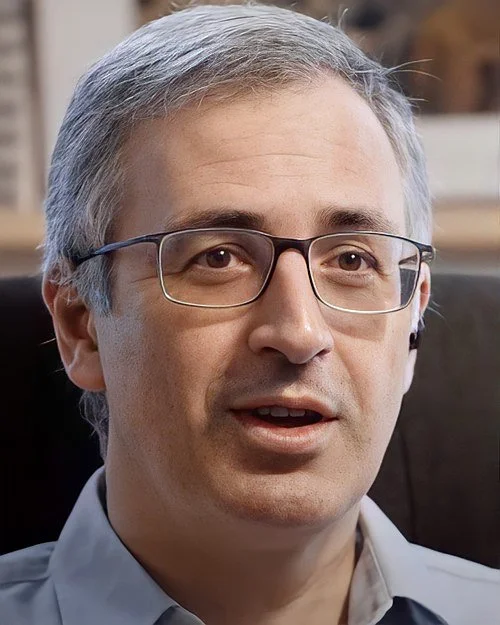
15. Sergey Guriev
(b. 1971)
Economist and former Kremlin advisor; fled Russia due to pressure over his support for opposition.
Now a vocal critic of economic mismanagement and repression.
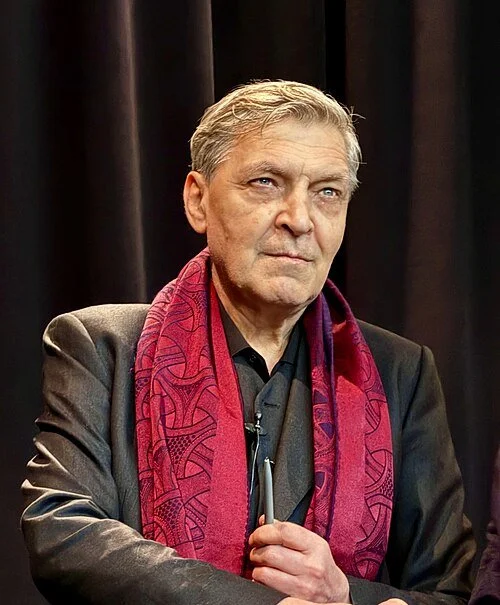
16. Alexander Nevzorov
(b. 1958)
Former propagandist turned fierce critic of war, Putin, and Orthodoxy’s political role.
Declared a foreign agent; left Russia.