
The Wirecard Scandal and Its Russian Ties
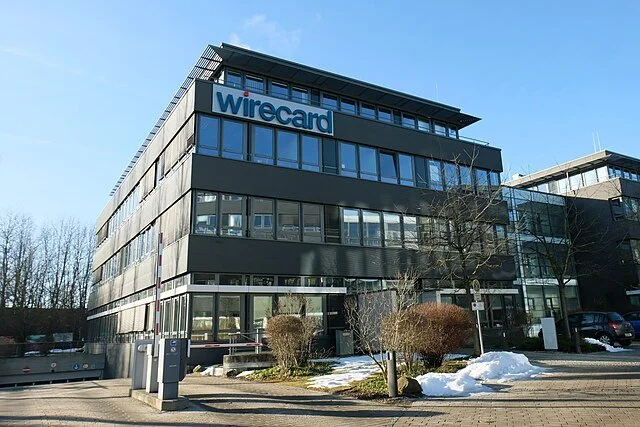
Founded in 1999, Wirecard was a German banking and fintech services firm. For years, financial observers (Financial Times, The New York Times and others) made mention of its opaque business practices, especially suspicious reported earnings in Asian countries.
German financial regulator, BaFin, failed to act on serious red flags, for example whistleblower claims.
1.9 billion euros went inexplicably missing from the firm’s Philippine check books.
Wirecard bought up myriads of small, insignificant local businesses throughout Asia, which in return “literally went from unprofitable businesses to highly profitable ones in the first year”.
Wirecard at one point bought an Indian fintech firm for a staggering 340 million euros in 2015. When a journalist of The Analyst went to pay the Indian fintech a visit, he found little evidence of business activity. “There’s a few employees, a few broken laptops, but I can’t find any customers,”. Leaving the premises, which was basically a defunct building, almost a “ruin”, he was followed in his taxi toward his hotel “by a couple of guys in tuk tuks”.
Suspicious much? There’s more.

Meet former COO of Wirecard, Jan Marsalek.
According to an investigation by Der Spiegel, Marsalek was recruited by the GRU, perhaps partly via honey-trap tactics due to his relationsship with a Russian woman. The allegations are serious – Der Spiegel accuses him of transferring funds to Russian intelligence operations, directing what was effectively a GRU-backed cell in London for political influence campaigns and using Wirecard financial infrastructure to channel 100 million USD in personal funds of the Chechen warlord Ramzan Kadyrov from accounts in Hong Kong to accounts in Western Europe.
Criminal investigations still ongoing.
Full story by The New York Times here.
Portrait of Jan Marsalek by Der Spiegel here.