
Aaand Cut! Do You Trust What’s on the Internet?
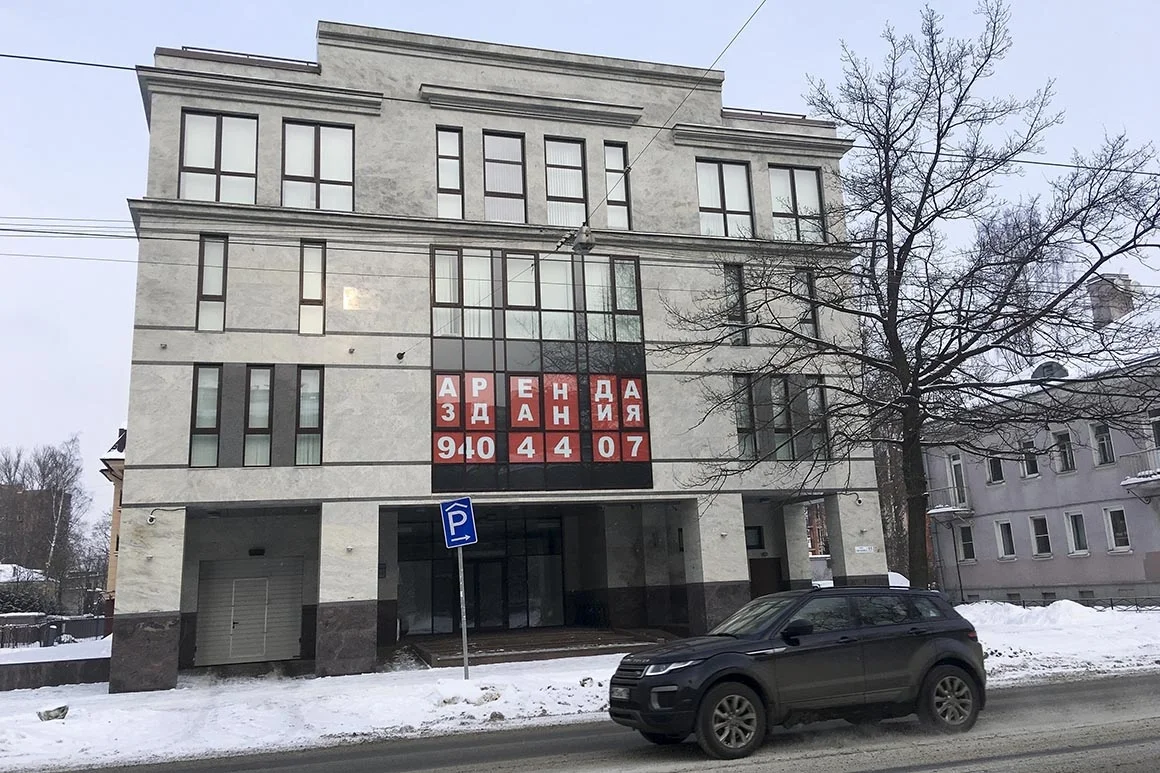
How do fabricated misinformation videos end up on X? The full picture is blurred by a thick digital haze, but origins of at least some of the many internet agent provocateurs is now clear: Russian state actors, in collaboration with a network of bloggers, internet personas and unknowing aides worldwide.
An anonymous profile on X called “Alpha Fox 78”. A video depicting an interview with a Haitian man boasting how having several voter ID’s to his name enables multiple vote casting for Kamela Harris. Views in the millions.
These are the foundational elements of an online troll campaign targeted American voters in an attempt to undermine the public perception of the electoral system and kindle already existing feelings of division.
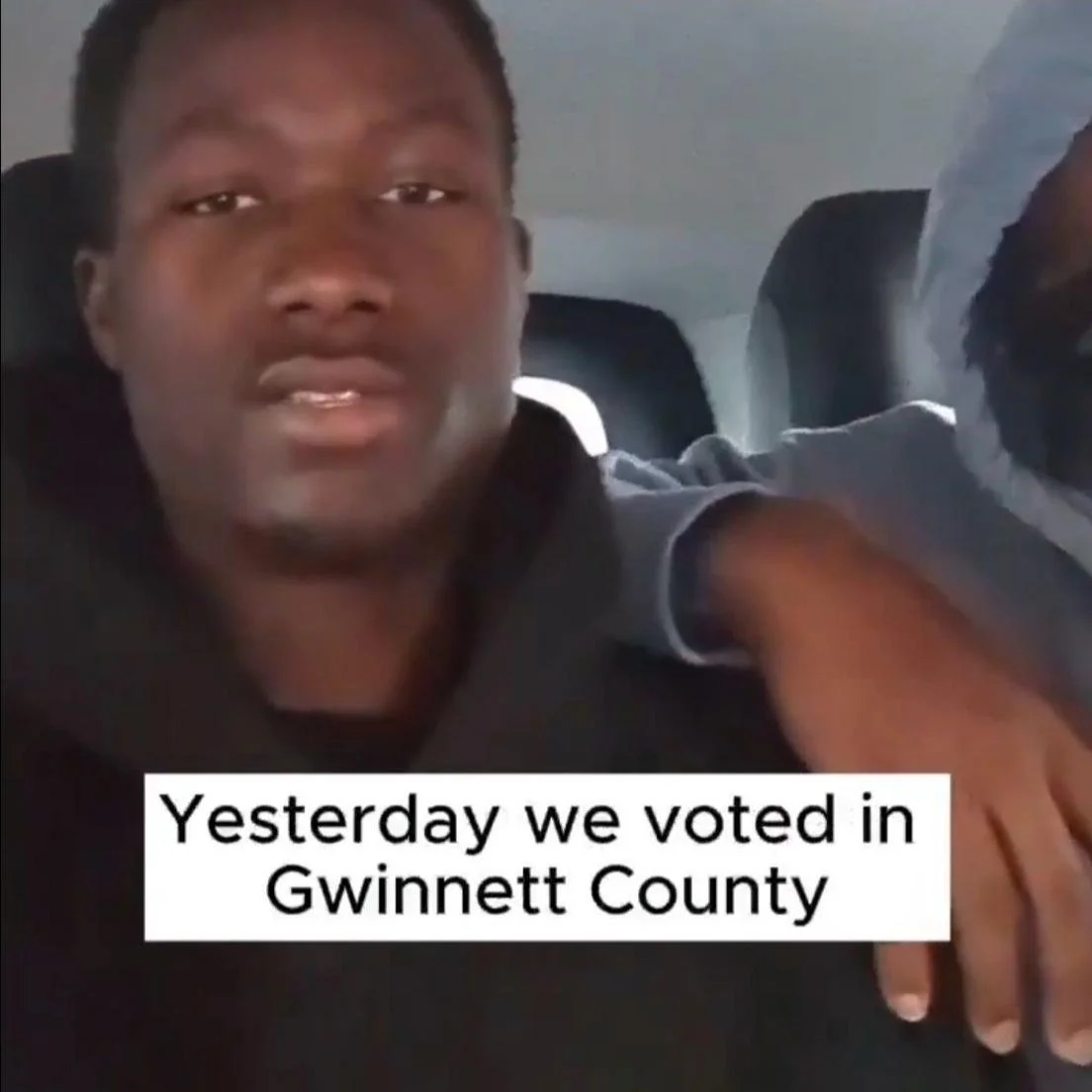
VIDEO STILL: The playbook is carefully and creatively fabricated.
However, OSINT-investigators online quickly noticed several problems with the video. For example was a photograph on an ID card fetched from a stock photo provider, and an address attached lead to a somewhat anonymous office park – not somewhere you’d actually live.
The X profile @Alphafox78 is still active. CNN spoke to the man behind the profile in 2024, and he said he did not create the video, but was paid 100 USD to post it. The paying party? Simeon Boikov, a Russian propagandist podcaster and online blogger.
Microsoft Threat Analysis Center later concluded the video originates from the Russian online activist group Storm-1516:
“The videos were productions of a Russian operation known to researchers as Storm-1516, a group that has spread a variety of videos trying to sow distrust in the election.”
The New York Times also spoke with an official from Cybersecurity and Infrastructure Security Agency, confirming the scale of the campaign:
“A senior official from the Cybersecurity and Infrastructure Security Agency called it a ‘fire hose of disinformation.’
The agency, along with the Office of the Director of National Intelligence and the F.B.I., released a statement on Friday attributing both videos to Russia’s efforts to sway voters in the election and inflame partisan divisions.
Another example of succesful disinformation campaign is a 2024 video containing the accusation of CIA setting up an online troll bot farm in Ukraine to help president Biden’s electoral campaign.”
The concept has been around for years. Before the U.S. election in 2016, this was also a problem for Twitter (now X). The problem was newer back then, and less understood. Investigations took longer. And the public, too, was less aware of the phenomenon.
In a data set released by Twitter in 2018, it came forward that Twitter had in that instance suspended 3900 accounts and removed 10,000,000 tweets, says Politico.
Full background by The New York Times here.